
Why Wired Dental X-Ray Sensors Keep Breaking (And What It Costs)
· Dental TI
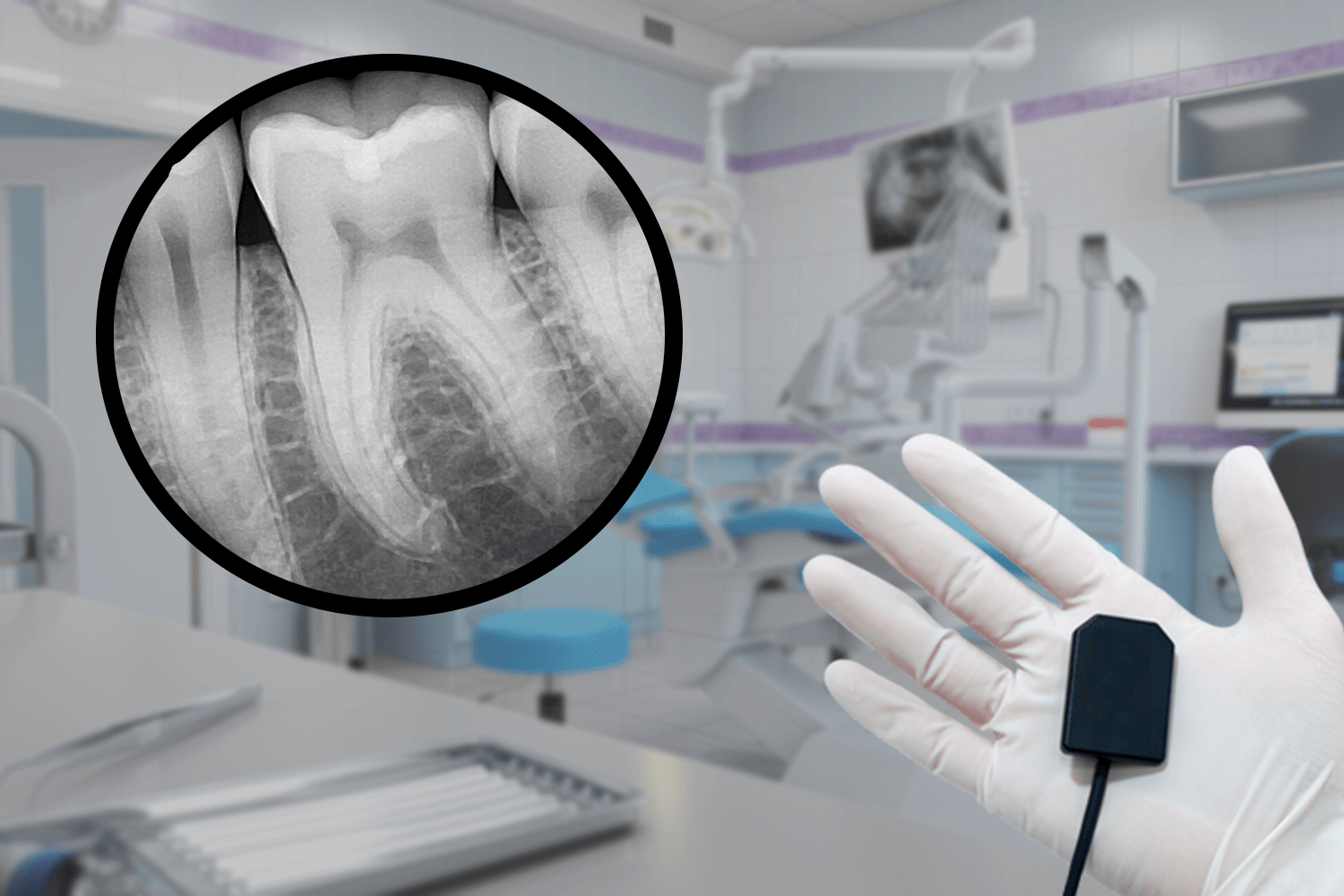
A dental X-ray sensor is a small, digital, solid-state device that captures high-resolution radiographic images.
What This Guide Covers and What You Can Do With It
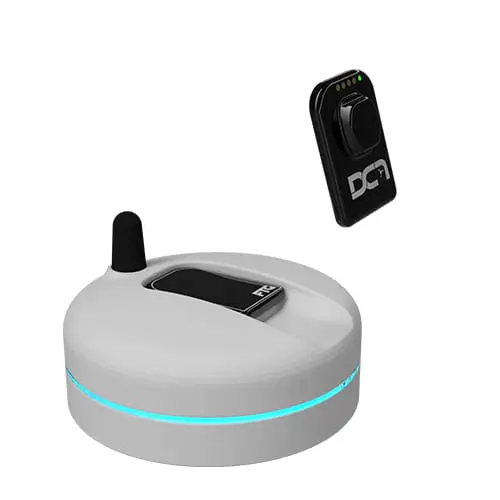 DC-Air™: Experience the freedom of wireless imaging with direct conversion technology for ultimate clarity and patient comfort.
This article is designed for dental practice owners, managers, and clinicians who rely on digital imaging for patient care and operational efficiency. Understanding the true costs of dental X-ray sensor failures is crucial, not just for budgeting and equipment planning but also for minimizing disruptions to patient care, reducing hidden expenses, and making informed decisions about repairs, replacements, or upgrades.
If you want to prevent unexpected downtime, control costs, and ensure your practice runs smoothly, this guide will help you audit your current situation and plan your next steps.
What you’ll gain from reading this:
- Clear understanding of why wired sensors fail at predictable intervals
- Specific dollar figures for replacement costs, production loss, and repair cycles
- A 30-minute self-audit process to calculate your actual annual sensor-related costs
- Decision thresholds for when to stop repairing and start replacing
- Financial framework for evaluating wireless sensor transition
The Cord Breaks First. It Almost Always Does.
A hygienist walks into the operatory, picks up the dental x ray sensor, and the image won’t load. The cord has flexed one too many times at the connector point. The patient is in the chair. The schedule is now in trouble.
This scenario is all too familiar in every practice using wired dental sensors. Not just practices with older equipment or insufficient staff training; every practice. The cord-to-sensor junction, where flex stress accumulates over time, is the predictable failure point in wired digital imaging systems.
Understanding why cords fail is only part of the equation; next, let’s examine the real costs associated with these failures.
Why the Cord Fails Before the Sensor Does
Cord Flex and Failure Points
The cord on a wired dental **X-**ray sensor bends at the same point hundreds of times per day. Every time a dental professional positions the sensor, removes it, coils the cable, and repositions it for the next patient, that junction between the cord and the sensor body absorbs mechanical stress.
Typical Failure Timeline
Repeated flex at this connection point causes micro-fractures in the internal wiring. These fractures are invisible until the connection fails entirely, showing up as intermittent image artifacts, dropped connections, or complete sensor failure during an appointment.
This failure timeline is predictable.
Most wired intraoral sensors reach a failure point within two to four years of regular clinical use. High-volume practices often see failures sooner. One practice with 14 wired sensors reported that nine out of ten failures trace back to the cable being damaged or sensor failure after liquid exposure began causing artifacts.
Brand-Agnostic Issue
This is not a brand-specific issue. Even premium cables designed for durability, marketed as “rugged” or “reinforced,” cannot eliminate the fundamental physics of flex fatigue. The cord-to-sensor junction remains the weakest link in wired digital dental sensor design because the mechanical stress point cannot be engineered away while maintaining the flexibility needed for easy positioning, and this directly impacts the overall intraoral sensor cost, benefits, and lifespan your practice will experience.
Understanding why cords fail is only part of the equation; next, let’s examine the real costs associated with these failures.
What One Sensor Failure Actually Costs Your Practice
Sensor failures carry costs across three categories that most practices only partially track. Understanding the full picture changes how you evaluate repair-versus-replace decisions.
Direct Replacement Cost
Replacement cost for a wired intraoral sensor ranges from $3,000 to $14,000 depending on brand, sensor sizes, and features. Mid-tier sensors typically fall in the $4,000 to $6,500 range. Premium high resolution sensors with larger warranties reach $9,000 to $11,000 or higher.
A four-operatory practice replacing two sensors in the same year faces $8,000 to $28,000 in equipment spend alone, before accounting for production loss or staff time, mirroring the broader financial impact described when examining the true cost of unreliable dental equipment.
Lost Production Time
When a sensor fails mid-appointment, the visit either gets delayed or rescheduled. A single sensor failure event typically costs 30 to 60 minutes of chair time while staff troubleshoot, find a backup, or reschedule the patient.
At an average production rate of $350 to $500 per hour, one sensor failure event costs $175 to $500 in lost production. Practices that track these incidents often find two to five failure events per operatory per year.
Hidden Costs
Staff time spent troubleshooting, contacting IT support, and managing patient expectations rarely appears on financial reports. Neither does the gap when a sensor is out for repair with no loaner available, nor the inefficiency of sharing sensors between operatories during equipment outages.
Cost Breakdown Table
| Cost Category | Low Estimate | Typical | High Estimate |
|---|---|---|---|
| Sensor replacement | $3,000 | $5,000–$8,000 | $10,000–$14,000+ |
| Lost production per failure | $175 | $300–$400 | $500+ |
| Repair cost (cord damage) | $500 | $1,000–$1,500 | $2,500 |
For multi-operator practices running older equipment, annual sensor-related costs can easily reach tens of thousands of dollars when direct replacement, repairs, and lost production are factored in.
Now that you know the true costs, let’s look at why repairing the same sensor may not be saving you money.
Repairing the Same Sensor Is Not Saving Money
Sending a failed sensor in for repair feels financially responsible. The repair invoice is smaller than a replacement invoice. The equipment returns to service. The problem appears solved.
Cord repair costs typically range from $500 to $1,500 per incident depending on manufacturer service programs or third-party repair services. One vendor offers cable repair service for $999 including new housing and cable. Extended replacement programs show repair costs rising after the initial warranty period, from $1,999 in the first 36 months to $2,999 for later failures.
The issue is what happens next. A sensor repaired for cord failure often fails again within six to twelve months. The underlying design limitation hasn’t changed. The junction point still flexes hundreds of times daily. The micro-fractures begin accumulating again the day the sensor returns to service.
Multi-location dental operations face compounded exposure. Three locations each running repair cycles on aging sensors generate aggregate costs that easily exceed the price of wireless replacement, but the expense appears as separate line items at each site, making the pattern harder to spot, especially compared with partnering for comprehensive intraoral imaging solutions and support.
Repair turnaround times add production loss on top of direct repair costs. Some manufacturers quote two to four weeks. During that window, the practice borrows from another operatory, runs reduced capacity, or relies on backup equipment that may be equally worn.
Understanding the repair cycle’s limitations, it’s time to see how you can audit your actual sensor-related spending.
A Simple Audit to Find Out What You’re Actually Spending
Before evaluating any equipment change, you need your actual numbers. This four-step self-audit takes under 30 minutes and gives you a real comparison point for any decision.
- Pull repair invoices from the last 24 months. Total your direct repair spend across all sensors. Include shipping, parts, and any extended warranty fees.
- Review appointment records for sensor-related delays. Check your scheduling software or notes for appointments delayed or rescheduled due to X-ray sensor failures. Estimate hours lost and multiply by your production rate per hour.
- Count repeat repairs on the same sensor. Any sensor repaired more than once within 18 months is a candidate for replacement. Note which operators have the highest repair frequency.
- Assess sensor age across operatories. Identify sensors older than three years. These carry the highest failure risk and should factor into equipment planning.
Sum these figures: total repair spend, estimated production loss, and any identified hidden costs, and you have your annual sensor-related cost. This number becomes your baseline for evaluating whether replacement, wired or wireless, is a cost or an investment.
With your audit complete, you can now compare the costs of sticking with wired sensors versus transitioning to wireless.
When Wireless Pays for Itself
Wireless intraoral sensors eliminate the cord failure point entirely. There is no junction to flex. There is no cable to fatigue. The primary mechanical failure mode disappears from your equipment profile when you move to systems like a DC-Air™ wireless digital x-ray sensor.
The objection is predictable: wireless costs more upfront. That’s accurate. Wireless intraoral sensor systems typically range from $8,000 to $16,000 depending on brand and bundle, compared to wired replacements in the $3,000 to $11,000 range.
The comparison that matters is wireless upfront cost versus your documented repair-and-replace cycle.
A practice spending $2,000 to $4,000 per year on repairs and absorbing three to five production disruptions annually reaches the crossover point in two to four years. After that point, wireless represents cost reduction rather than cost increase.
For DSO and multi-location operations, the math scales directly. Ten locations each running two sensor repair cycles per year represent $20,000 to $40,000 in direct repair spend before accounting for lost production. A phased wireless transition across the group changes that line item permanently.
Wireless sensors introduce different considerations: battery life, transmitter size, image transmission time. But these are predictable operational factors rather than mechanical failure points. The reliability difference translates to fewer emergency support calls, fewer patient reschedules, and a more predictable cost structure. Fixed equipment costs are easier to budget than repair cycles that arrive without warning, particularly when you select a high‑resolution intraoral x‑ray scanner for precise dental diagnosis.
If you’re not ready to transition, there are still ways to extend the life of your current sensors.
How to Extend the Life of Your Current Sensors
While evaluating longer-term equipment decisions, these practices protect your existing wired sensors and reduce failure frequency:
- Handle sensors by the body, not the cord. Most cord damage starts with staff picking up the sensor by the cable, putting immediate stress on the junction.
- Use sensor holders and positioners designed for your equipment. Proper holders enable easy positioning while reducing the risk of drops that stress the connector. Many sensor accessories improve both durability and patient comfort, and following ways to protect your costly dental sensor investment can further extend sensor life.
- Coil cords loosely when storing. Tight coiling accelerates internal wire fatigue. A flexible storage approach extends cord lifespan.
- Avoid running cords under chairs or rollaways. Compression damage causes intermittent connection failures that are difficult to diagnose and frustrating for your team.
- Track failure events in a simple log. Record date, operatory, and failure type for each incident. This information makes repair-versus-replace decisions easier to support with leadership and provides data for your annual audit.
These steps won’t eliminate the fundamental design limitation, but they extend sensor life and reduce the frequency of unplanned failures.
Knowing how to extend sensor life is important, but recognizing when to stop repairing and start replacing is equally critical.
Signs You Are Past the Point of Another Repair
Clear decision points help distinguish between sensors worth repairing and sensors that need replacement.
- If the same sensor has been repaired more than once in 18 months, it is a replacement candidate. The repair-failure pattern will continue, and it may be more effective to consult the complete guide to intraoral sensors for a long‑term replacement.
- If your repair turnaround regularly exceeds two weeks, your practice is absorbing production loss that may already exceed the cost of a new sensor.
- If you have more than one sensor out for repair at the same time, your redundancy is gone and your schedule is at risk.
- If your IT or support team cannot identify whether a sensor failure is hardware, driver, or software related, you need dental-specific expertise evaluating your imaging setup.
Any of these situations indicates that continued repair spending is unlikely to provide reliable, long-term value.
Before your next repair invoice arrives, make sure you know your true sensor costs.
When a Wired Sensor Still Makes Sense
Wireless is not the right answer for every practice. There are situations where a wired sensor is the more practical choice.
If your practice runs a low patient volume with predictable scheduling, the failure frequency that drives wireless ROI may never materialize. A part-time practice or a specialty office taking limited x-rays puts far less mechanical stress on a cord than a high-volume general practice running full days. The repair cycle that makes wireless cost-effective in four operatories may take a decade to reach in a two-operatory office seeing 20 patients a week.
Budget constraints also matter.
A practice facing an immediate sensor failure with limited capital has a real decision to make. A $4,000 to $6,500 wired replacement is a lower barrier than an $8,000 to $16,000 wireless system, and a functioning sensor today has more operational value than a better sensor six months from now.
Software compatibility is worth checking before any purchase. Some practice management and imaging platforms have limited or delayed support for wireless sensors. If your existing software stack requires a compatibility update or a platform change to support wireless, that cost should be included in the comparison.
If your current wired sensors are less than 2 years old and have no failure history, any replacement is premature. Extend their life with proper handling, track your failure events, and revisit the decision when your data supports it.
Know What Your Sensor Costs Are Before Your Next Repair Invoice Arrives
Your next sensor failure will arrive without warning. The question is whether you’ll know what it actually costs when it does.
Run the audit. Calculate your annual sensor-related spend. Compare that number against the cost of equipment that eliminates the primary failure mode.
If you want help evaluating your imaging setup or calculating the real cost of your current equipment, talk to a dental IT expert about your specific situation by reaching out through Dental TI’s contact page or arranging dedicated imaging support with Dental TI. A 20-minute consultation can clarify whether your current approach makes financial sense or whether the repair cycle is costing more than you realized.
Summary: How to Understand, Prevent, and Manage Dental X-Ray Sensor Failures and Costs
Dental X-ray sensor failures are a predictable and costly challenge for every dental practice. By understanding why cords fail, quantifying the true costs, including direct replacement, lost production, and hidden expenses, and conducting a simple audit, you can make informed decisions about repairs, replacements, or transitioning to wireless technology. Implementing best practices for sensor handling and maintenance can extend sensor life, but knowing when to stop repairing and start replacing is key to minimizing disruptions and controlling costs.
Ultimately, proactive management of your dental x ray sensors ensures smoother operations, better patient care, and a healthier bottom line for your practice.
Get a DC-Air quote for your practice
Tell us about your rooms and imaging software. We'll confirm compatibility, compare the two kit options and include any eligible sensor trade-in in your quote.
Requesting a quote does not enroll you in a plan or commit you to a purchase.