
2D Panoramic X-Ray Machine Cost Guide
· David Hanning
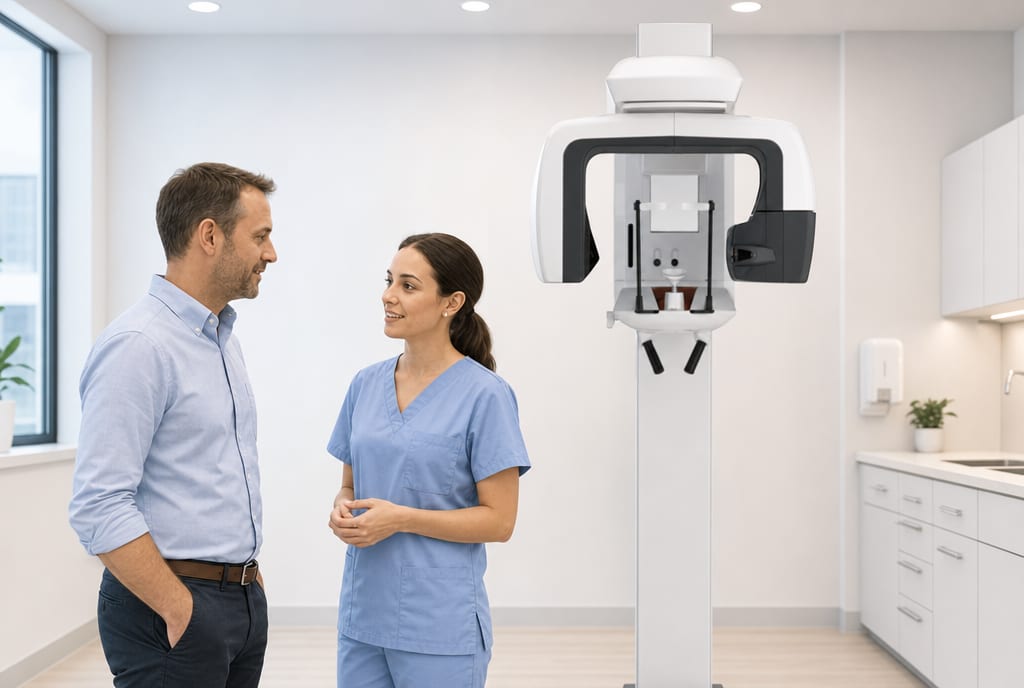
Sticker price rarely tells the whole story with imaging equipment. When a practice starts researching 2d panoramic x ray machine cost, the real question is usually bigger: what will this system cost to buy, install, maintain, and use well over the next several years?
For most dental practices, a 2D panoramic unit is not just a radiology purchase. It is a workflow decision, a patient communication tool, and in many cases a bridge between basic intraoral imaging and more advanced 3D diagnostics. That is why the best buying decision comes from looking beyond the quoted number and evaluating total value.
What is the typical 2d panoramic x ray machine cost?
In the US market, a new 2D panoramic X-ray machine often falls somewhere between about $18,000 and $45,000, depending on brand, image quality, software package, positioning features, and whether the system is wall-mounted or free-standing. Premium configurations can exceed that range when bundled with advanced software, warranty upgrades, or installation requirements.
Used and refurbished systems may come in lower, sometimes in the $8,000 to $20,000 range, but that lower entry point can come with trade-offs. Older units may have shorter remaining service life, limited software compatibility, outdated sensors, or more frequent downtime. For some practices, that is still a reasonable value. For others, especially those replacing a failing legacy unit, the lower purchase price can disappear quickly if service calls become routine.
If you are comparing multiple quotes, it helps to ask a simple question: does this number include everything required to take your first patient image? That is where cost conversations become much more useful.
What actually drives cost?
The biggest pricing factor is the quality and age of the imaging platform. A newer system with sharper image capture, better patient positioning aids, and modern software integration will usually cost more than a basic or older unit. That higher upfront investment often supports more consistent diagnostics and fewer retakes, which matters in busy general practices and specialty settings alike.
Brand reputation also plays a role. Established imaging manufacturers usually command higher prices because they offer stronger service networks, more stable software ecosystems, and better parts availability. That does not mean every premium-priced unit is the right fit. It does mean that support infrastructure should be considered part of the asset, not an add-on.
Software is another major variable. Some panoramic systems are priced attractively at first glance, but require separate licensing fees for imaging software, integration modules, or workstation upgrades. Others package these items into a larger upfront quote. The difference is not always obvious unless the proposal is itemized clearly.
Installation complexity can move the number as well. If your office needs electrical work, structural reinforcement, room modifications, networking updates, or compliance-related adjustments, the project cost will rise beyond the base equipment quote. Practices in multi-story buildings or older facilities often encounter these issues more than they expect.
New, refurbished, or used?
This is one of the most practical decisions in the entire buying process. A new 2D panoramic system usually provides the longest usable life, current software compatibility, and the strongest manufacturer support. It is often the right fit for practices that want predictable performance, easier staff adoption, and fewer operational surprises.
A refurbished unit can make sense when the equipment has been professionally inspected, updated, calibrated, and backed by a credible service team. The key phrase there is backed by a credible service team. Refurbished equipment is only as dependable as the company standing behind it.
Used equipment without meaningful service support is where risk increases. The purchase price may look appealing, especially for a startup or a practice trying to control capital spending. But if replacement parts are hard to source, software will not integrate with your imaging environment, or the unit experiences repeated downtime, the savings can vanish quickly.
In practice, the right choice depends on your timeline, patient volume, financing strategy, and tolerance for service risk.
Hidden costs that affect the real investment
A panoramic unit can be affordable on paper and still become expensive in operation. That usually happens when buyers focus only on equipment price and not on implementation.
Training is one of the most overlooked costs. If the team is not confident with patient positioning, image capture protocols, and software use, retakes increase and efficiency drops. That has a direct operational cost, even if it does not appear on the invoice.
Service coverage is another. Some systems are priced competitively because support is minimal or fragmented. If remote troubleshooting, field service, preventive maintenance, and parts replacement are not clearly defined, downtime becomes your problem. For a practice that relies on daily imaging, even short disruptions can affect production and patient flow.
You should also account for integration. If your panoramic machine does not communicate smoothly with your practice management software, imaging platform, or existing workstations, staff may end up using workarounds that slow down the entire front-to-back workflow.
Then there is the cost of underbuying. A system that meets today’s minimum need but creates image quality limitations, service headaches, or frequent retakes may cost less upfront and more over time.
How to evaluate 2d panoramic x ray machine cost the right way
A strong evaluation process starts with the clinical role of the machine. For a general practice, the primary need may be routine panoramic exams, extractions, implant screening, and patient education. For oral surgery, orthodontics, or multi-provider offices, the expectations around throughput, image consistency, and software functionality may be higher.
From there, look at total delivered cost. That should include the equipment, software, sensors if applicable, installation, calibration, training, warranty, and support terms. If a quote is not detailed enough to show those components, it is difficult to compare it accurately against another option.
Next, weigh expected lifespan and uptime. A lower-cost unit that creates repeated service interruptions is rarely the better value. Reliability matters because imaging is tied directly to diagnosis, scheduling, treatment acceptance, and production.
It also helps to think in terms of cost per year rather than only cost at purchase. If one system costs more but gives your practice seven to ten years of dependable use with better support, the annualized value may be stronger than a cheaper unit with uncertain longevity.
Financing versus paying cash
Many practices do not need to make this a cash purchase, and in many cases they should not. Financing can preserve working capital for staffing, marketing, expansion, and other operational priorities. The right structure depends on your broader business goals.
Paying cash may reduce total financing expense, but it also concentrates capital in one purchase. Financing can make a better system more accessible now, especially if monthly payments align well with production generated by the equipment.
This is where ROI should be viewed realistically. A 2D panoramic unit does not usually produce ROI the same way a high-volume restorative system might. Its return often comes from improved diagnostic capability, reduced referrals out for basic imaging, smoother case presentation, and more efficient patient flow. Those benefits are real, but they should be measured honestly.
When a lower-cost option makes sense
There are situations where a lower-cost panoramic unit is a smart decision. A startup practice may need dependable basic functionality without overextending capital. A satellite office may not require premium imaging features. A practice planning to transition to CBCT within a short window may reasonably choose not to invest at the top of the 2D category.
The important distinction is whether lower cost is tied to lower needs or simply lower expectations. If your practice relies heavily on imaging consistency, fast support, and modern software compatibility, choosing the cheapest option can create more friction than savings.
Why support should be part of the cost discussion
The equipment itself is only one part of successful imaging adoption. Installation planning, team training, software setup, troubleshooting, and ongoing service all affect whether the machine performs the way it should in a real clinical setting.
That is why many practices benefit from working with a partner that understands imaging as an operational system, not just a product category. A consultative approach helps identify fit before purchase, reduce implementation mistakes, and protect uptime after installation. For many offices, that support is what separates a good purchase from a frustrating one.
Dental TI approaches imaging decisions with that broader lens because the goal is not simply to place equipment. It is to help practices choose technology that works clinically, financially, and operationally.
A smarter way to set your budget
If you are building a budget for a panoramic system, start with a realistic range rather than a single target number. For many practices, that means preparing for the machine itself, the software environment, installation requirements, training, and support coverage. Once those pieces are accounted for, the quote becomes much easier to evaluate.
The best purchase is not always the cheapest unit or the most advanced one. It is the system your team will use confidently, your workflow can support, and your patients will benefit from day after day. When you look at 2d panoramic x ray machine cost through that lens, the decision becomes less about price alone and more about long-term performance.