
How Much Does a CBCT Machine Cost? 2026 Price & Buyer’s Guide
· David Hanning
Key Takeaways
Buying a CBCT machine involves more than comparing sticker prices. Here is what you need to know before requesting quotes:
- Most new dental CBCT machines in 2026 cost between $50,000 and $150,000, depending on field of view, features, and brand
- Total cost of ownership includes CBCT imaging software cost, installation, training, IT upgrades, and ongoing CBCT maintenance costs
- In-house CBCT can replace referral scans that often run $300 to $500 per cone beam ct scan, which can cover a typical monthly payment on a financed unit
- This guide walks through CBCT machine cost tiers, budgeting steps, common buying mistakes, and when to involve a dental IT partner
You Searched “CBCT Machine Cost.” You Got 12 Different Numbers.
You spent an hour online looking for CBCT machine prices. You found quotes ranging from about $35,000 to more than $120,000. None of the sources explained why the numbers differed so much. One vendor listed $45,000 for a “complete system.” Another listed $95,000 for what looked like the same thing.
This is not a sign that vendors are hiding information. The cbct machine cost depends on factors that most online sources skip over. Once you understand what drives those differences, the pricing picture becomes clear.
This article answers how much a CBCT machine costs, explains what affects the price, and helps you build a realistic budget that goes beyond the sticker price. You will also learn which mistakes add thousands to your project and when to bring in a dental IT partner before you sign.
Why CBCT Pricing Is Hard to Pin Down
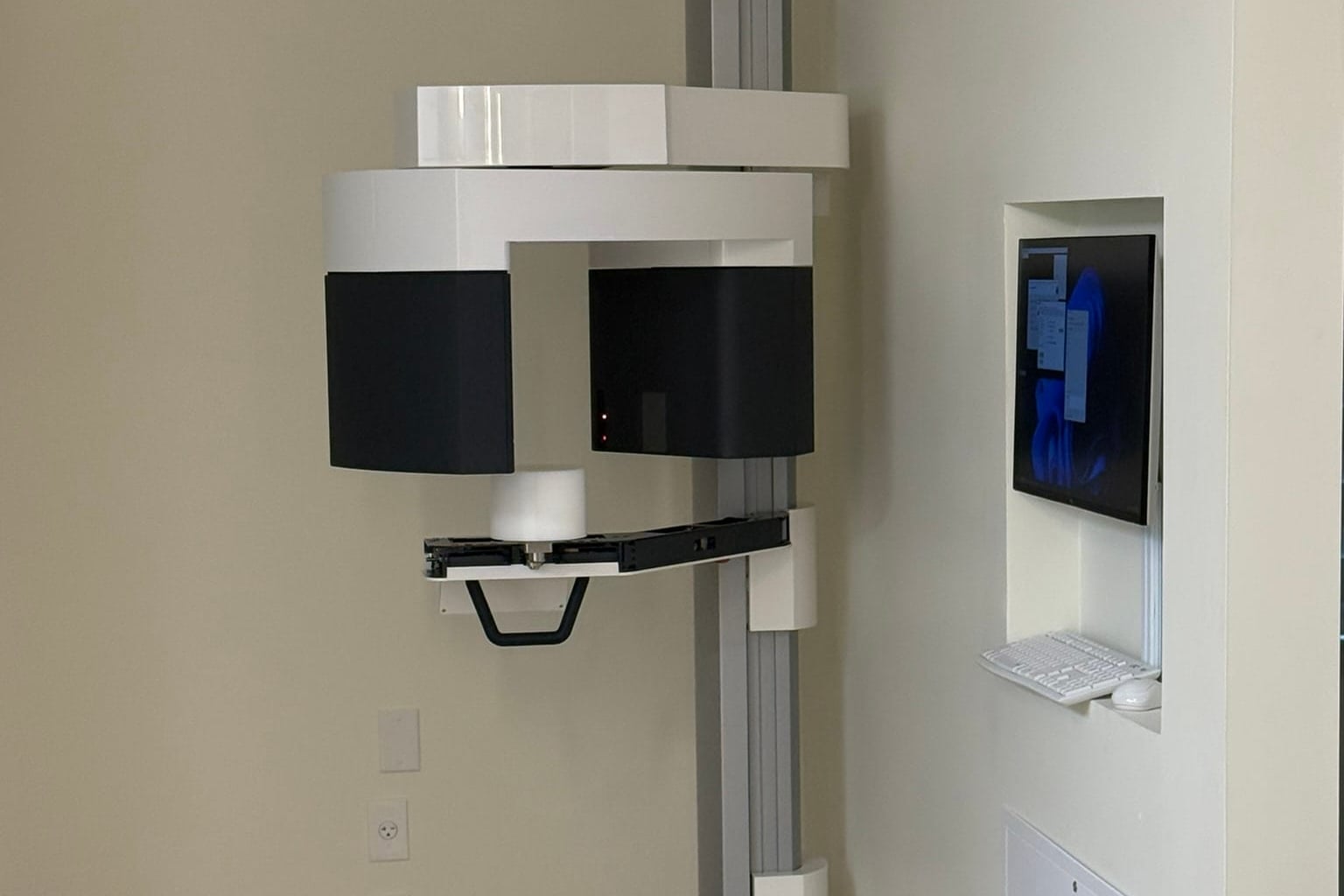
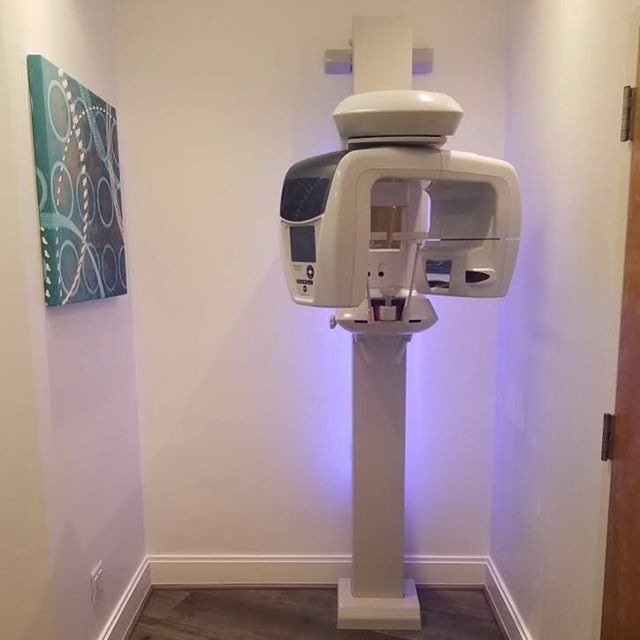
Cone-beam computed tomography is a 3D imaging system that uses a cone-shaped X-ray beam rotating around the patient to create detailed images of teeth, jaws, and bone structures. It provides dental professionals with high-quality images with lower radiation exposure than traditional medical CT.
When you see a CBCT machine cost online, that number usually covers the base hardware.
The total cost of ownership is a separate figure. It includes the cost of CBCT imaging software, installation labor, room build-out for shielding, and staff training. Some practices spend $5,000 to $20,000 on room modifications alone before the scanner arrives.
The main variables that change the price:
- Field of view fov size (small for endodontics, large for orthodontics and airway)
- Resolution options are measured in voxel size
- Sensor technology (flat-panel vs CMOS sensors)
- Bundled software modules for implant planning, cephalometric imaging, or AI features
- Brand reputation in dental imaging equipment
In 2026, AI integration adds another layer to pricing. AI modules that automatically detect periapical lesions or measure bone density can add 10 to 20 percent to the base machine price. The price is no longer just the “box” but also the “brain” inside it.
Many online dental CT scan cost numbers are starting prices. Final quotes depend on your practice workflow, CBCT installation requirements, and which features you actually need.
What In-House CBCT Actually Does for Your Practice
Owning a dental CBCT machine shifts money that currently leaves your practice back into your revenue stream.
A general dentist who refers 4 to 6 cone-beam CT scans per month at $300 to $500 per CBCT scan is sending out $1,200 to $3,000 per month. That money covers someone else’s imaging equipment. In-house ownership recaptures that revenue while also improving patient flow.
Same-day diagnosis shortens the gap between identifying a problem and presenting treatment. Patients do not wait days for scan results from a referral center. Case acceptance rates for placing implants can increase 20 to 30 percent when patients see their own 3d imaging during the consultation, which directly improves the return on investment for your dental cbct. Treatment planning for orthodontics that used to take weeks can happen in hours.
The risk: buying the wrong CBCT machine for your case mix creates cost without matching clinical value. A unit with the smallest FOV works for focused endodontic cases, but forces continued referrals for full-arch implant planning or airway studies. Multi-location groups trying to standardize imaging across sites face this problem at scale.
| Factor | Referral Model | In-House CBCT |
|---|---|---|
| Cost per scan | $300 to $500 paid out | $20 to $50 amortized after ROI |
| Turnaround time | 1 to 7 days | Minutes |
| Case acceptance impact | Delayed decisions | 15 to 25 percent lift |
| Monthly revenue captured | $0 direct | $1,500 to $2,500 |
How to Budget for a CBCT Machine: What to Compare Before You Buy
Building a realistic budget means comparing cbct machine cost quotes side by side using a structured checklist. The hardware price is just one line item.
Your budget needs to account for: and should fit into a structured framework for making the right cbct choice in 10 steps.
- Hardware purchase price
- Software licenses and annual fees
- Installation and room preparation
- Training for staff
- IT infrastructure upgrades
- Cbct financing options your dental practice will use with support from a dental imaging technology partner like Dental TI
The four steps below walk through each part of the decision.
Step 1 — Get the Full-Price Quote, Not the Starting Price
Ask every vendor for an itemized quote. A single “package price” hides costs you need to see separately.
Questions to ask before you accept any quote:
- What is the hardware price separate from software licensing?
- What cbct imaging software cost applies annually after year one?
- What room work is required: lead shielding thickness, power requirements (208-240V, 30A), floor load capacity?
- What does installation include: calibration, network setup, workstation configuration?
- What training hours are included at no extra charge?
- What is covered under remote support versus paid onsite service visits?
Some imaging software carries annual license fees of $2,000 to $8,000 per year. Room modifications can add $5,000 to $20,000 depending on state shielding regulations. These numbers need to appear on your budget before you sign.
Step 2 — Match the Machine to Your Case Mix
Field of view (fov) is the size of the 3d volume the cbct scanner can capture in one scan. A larger fov captures more data but costs more and may deliver more radiation dose than needed for simple cases, so selecting the right cbct fov size for your practice is critical.
FOV and voxel size are different variables. Voxel size determines image resolution.
Endo cases need small fov but high resolution with voxel sizes around 75 microns. Airway and orthodontic cases need large fov but can tolerate lower resolution at 200 to 400 microns to minimize radiation dosage for patients.
Buying a cbct machine with more fov than you need wastes money. Buying too little fov forces continued referrals for cases your new machine cannot handle.
Step 3 — Understand the CBCT Price Range by Tier
The cbct machine price range breaks into three tiers based on fov increases, software features, and build quality, and vendors that specialize in helping you find the best cbct machine can clarify where your needs fit.
Entry-level units cost about $30,000 to $60,000. These typically have smaller fov options, basic reconstruction software, and suit single-specialty practices focused on endodontics or limited implant work. Many pre-owned cbct systems fall into this range, and curated collections of cbct scanners by brand and fov can help you compare models efficiently.
Mid-range units cost $60,000 to $100,000. They offer medium fov options, flexible software that supports multiple clinical workflows, and features like cephalometric imaging modes. Most general practices purchasing their first new cbct machine land here. Models like the i cat flx in this range serve implants, orthodontics, and general diagnostics.
Full-featured units cost $100,000 to $150,000 or more. They include large fov up to 30x30 cm, advanced reconstruction software, AI-assisted detection, and support for high-volume practices or DSOs. Brands such as J Morita cbct X700 systems, PreXion, HDX Will, and ACTEON occupy this tier with latest generation technology.
For specific model information and current pricing, visit DentalTI’s CBCT overview page to compare options.
Step 4 — Factor In Financing
Most practices finance or lease their dental CBCT machine rather than paying cash up front. This spreads the cost and preserves working capital.
A $70,000 unit financed over 60 months at a standard equipment loan rate of 5 to 8 percent results in monthly payments around $1,200 to $1,500. A practice generating $1,500 to $2,500 per month in CBCT scan revenue can often cover the payment in year one.
Questions to ask about CBCT financing options for your dental practice:
- Who provides the financing: the vendor, a captive lender, or a third-party company like Balboa Capital?
- What happens to software access if payments lapse or the practice defaults?
- Are service contracts bundled into the monthly payment, or is maintenance billed separately?
Buying Mistakes That Cost More Than the Machine
Most expensive CBCT problems come from skipped steps before installation rather than choosing the wrong manufacturer. These mistakes are preventable with planning.
The three issues below recur when practices call for help after go-live. Each includes a short checklist to avoid the problem.
Mistake 1 — Skipping the IT Infrastructure Assessment
A CBCT machine generates large DICOM files. DICOM is a standard file format for dental imaging that allows different systems to share data. These files range from 50MB to over 1GB per scan depending on fov and resolution settings, and mastering cbct best practices for imaging and installation will help you manage them effectively.
A workstation that cannot handle that file size will bottleneck every scan. Practices often discover only on installation day that their existing PCs or network switches cannot run the new cbct imaging software smoothly. Scan times slow down. The learning curve feels steeper than it should, and common image issues can often be resolved in-house with practical cbct troubleshooting tips.
A pre-purchase IT review should check:
- Network bandwidth (500 Mbps minimum, gigabit preferred)
- Workstation specs (i7 processor, 16GB RAM, NVIDIA graphics with 4GB VRAM)
- Storage capacity and backup routines for 100GB or more of monthly data
DentalTI reviews network readiness, workstation specs, and storage capacity before your machine arrives so there are no surprises on installation day.
Mistake 2 — Ignoring Ongoing Maintenance Costs
Annual service contracts for cbct typically run $5,000 to $15,000 per year depending on coverage tier and response time. The x ray tube inside most machines is the core wear item. Tube replacement costs $15,000 to $40,000 and typically happens every 3 to 7 years depending on scan volume.
Questions to ask vendors:
- What does the base warranty cover, and for how long?
- What is the typical tube life expectancy at our expected scan volume?
- What are hourly or flat rates for service after the warranty ends?
Budget for CBCT maintenance costs from year one. Practices that skip this step face unexpected five-figure bills in year four or five.
Mistake 3 — Buying Without a Workflow Plan
A CBCT machine that does not connect well with your current imaging software or practice management system adds manual steps and slows the team. Every workaround takes time away from patients.
Before you sign, confirm:
- Does the CBCT imaging software integrate with Dentrix, Eaglesoft, or your current practice management system?
- Who will order scans, take them, and read them?
- How do CBCT images and reports reach the patient record?
Checklist for workflow planning:
- Test integration with your practice management software before go-live
- Write simple scan protocols for common case types
- Train front desk and assistants on scheduling and billing codes (D0364 to D0367)
When to Bring in a Dental IT Partner During the CBCT Buying Process
Vendors focus on the CBCT machine. A dental IT partner focuses on your network, workstations, data flow, and whether the new equipment will run smoothly from day one.
Here is when to involve an IT specialist:
- If your current workstations are more than 4 years old, have an IT partner review specs before you commit to a machine
- If you are adding CBCT to a second or third location, your network infrastructure requirements differ from a single-site installation
- If your existing imaging software is not on the CBCT vendor compatibility list, get a written integration plan before purchasing
- If you do not have a documented backup and recovery plan for imaging data, put that in place before the machine arrives
- If your IT vendor has never configured a DICOM-compatible imaging environment, they may not be the right partner for this installation
- If you need to obtain more data on how the system will perform with intraoral scanners or other imaging equipment already in place, an IT audit can document that
A partner like DentalTI can document network requirements, run integration tests, and validate everything post-installation as part of the project.
Not Sure If Your Practice Is Ready for CBCT? Start Here.
Before you request final CBCT machine quotes, know what your practice needs on the IT side. A small gap in workstation specs or network bandwidth can turn an affordable purchase into a frustrating project.
Request a free imaging infrastructure assessment. You will receive a written summary of network, workstation, and storage readiness within about 48 hours. This tells you what will need to change before a CBCT machine arrives and what that preparation will cost.
Request your free assessment here
Read on for the questions we hear most from practice owners planning a CBCT purchase, answered below.