
Wired · Wireless
Imagen or DC-Air™: which sensor fits your practice?
Both sensors earn their operatory. The honest difference is how they connect, how the image is made, and what your practice volume does to a cord over time.
Serving dentistry since 2003
Installation, training & expert support included
Side by side
Manufacturer-published specifications only — a dash means the manufacturer doesn't publish that figure, and we'll pull it for you on request.
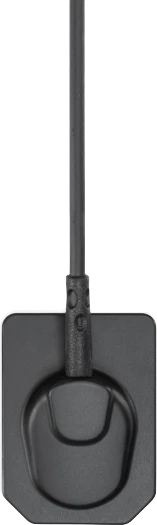 ImagenWired CMOS sensor ImagenWired CMOS sensor | 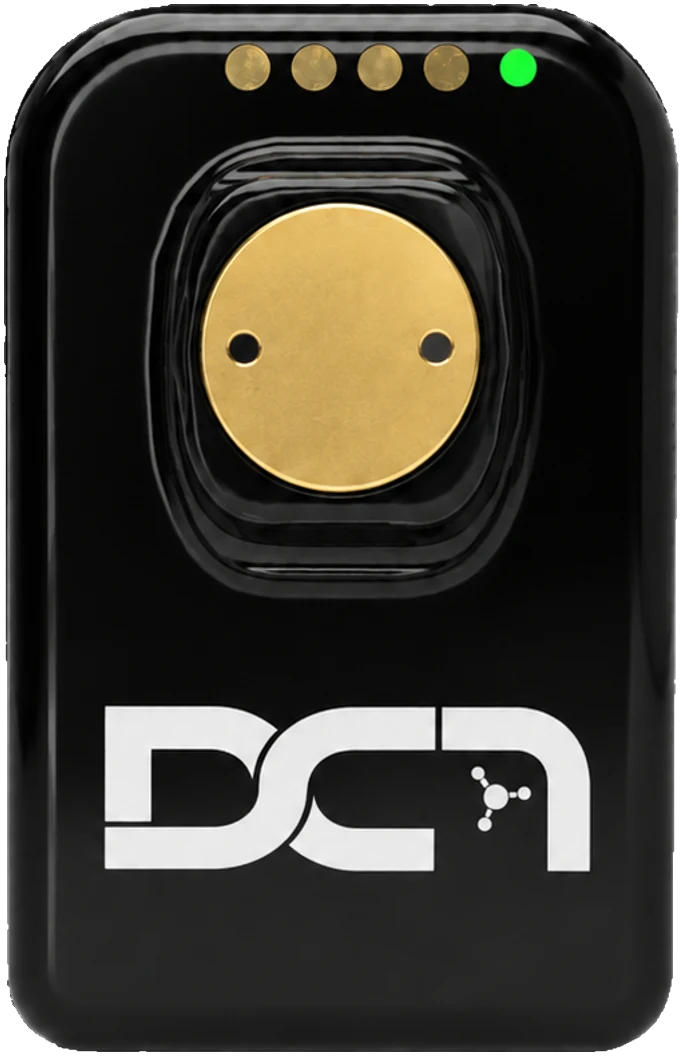 DC-Air™Wireless direct-conversion sensor DC-Air™Wireless direct-conversion sensor | |
|---|---|---|
| Connection | Wired — direct USB | Wireless — Bluetooth® Low Energy, ~3 m range |
| Detector technology | High-resolution CMOS with AI-assisted image processing | Single-crystal direct-conversion silicon CMOS — no scintillator, no fiber-optic plate |
| Sensor sizes | Size 1 and Size 2 | Size 2 |
| Image processing | Multiple pre-calibrated processing options | No manufacturer sharpening filters — detail is captured, not synthesized |
| Exposure behavior | Wide exposure latitude for consistent diagnostic images | 0.08–1 s @ 65–70 kV, 2–10 mA |
| MTF (published) | — | >70% @ 5 lp/mm · >40% @ 10 lp/mm in FTG’s published testing |
| Battery | Not applicable — USB-powered | 150+ radiographs per charge · recharges in under 1 minute on the dock |
| Durability rating | — | IP67-sealed body |
| Positioning | Standard sensor holders | 360° — distal or mesial orientation with Zero Profile® holders |
| Warranty | — | 2-year manufacturer warranty |
| From Dental TI | Installation, software integration, training & expert support | Installation, software integration, training & expert support |
Want it on paper?Download this comparison as a PDF
How practices actually choose
Choose the Imagen when
- Upfront budget is the deciding factor — wired is the lower entry price.
- You need Size 1 for pediatric patients or smaller mouths alongside Size 2.
- Your imaging volume is moderate, so cord wear accumulates slowly.
- You want simple setup with pre-calibrated processing that just works.
Choose the DC-Air™ when
- You've replaced a corded sensor before and don't want to again — no cord, no cord failure.
- Native image detail matters: direct conversion captures sharpness instead of synthesizing it.
- High patient volume means the wireless premium pays for itself in avoided repairs.
- Positioning flexibility helps your team — 360° orientation with Zero Profile® holders.
Plenty of practices run both: DC-Air™ where the volume is, Imagen where it isn't. Tell us your operatory count and imaging software and we'll recommend the reliable option, not the expensive one.
Sensor comparison questions, answered
Which costs more, the Imagen or the DC-Air™?
Wireless sensors carry a premium over wired sensors, so the wired Imagen is the lower upfront investment. Call 800-672-5733 for current pricing on both — financing is available, and every quote includes installation, integration, and training.
Why does the cord matter on a wired sensor?
The cord-to-sensor junction is the number-one failure point on wired sensors: it flexes hundreds of times a day, and the accumulated fatigue typically shows up as artifacts or dropped connections within two to four years in high-volume practices. Careful handling extends that life considerably — and going wireless removes the failure point entirely.
Can I run both sensors in the same practice?
Yes. Many practices pair them — for example, a DC-Air™ in the busiest operatories and Imagen sensors elsewhere, or Imagen Size 1 for pediatric patients alongside a Size 2 DC-Air™. Both integrate with your existing imaging software, and Dental TI handles the integration either way.
Which sensor is right for a lower-volume practice?
A wired sensor is often the practical choice for lower-volume practices or tighter budgets — the Imagen delivers consistent diagnostic images at a lower entry price. High-volume practices usually recover the wireless premium by escaping the cord-repair cycle.
Want to see both images side by side?
We'll show you real radiographs from each sensor — not brochure renders — and quote current pricing while we're at it.