
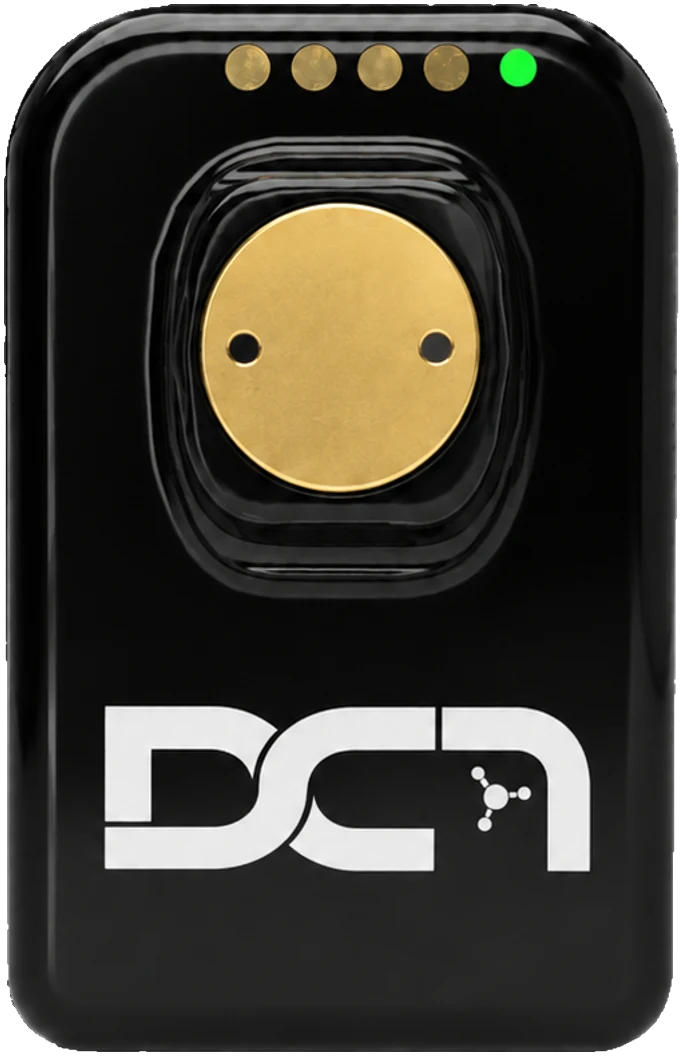
Flagship · Wireless
DC-Air™ Wireless Sensor
The only wireless, direct-conversion intraoral sensor — clearer images and zero cables.
Meet DC-Air™
Intraoral Imaging
The everyday workhorses of dental imaging — chosen for reliability, integrated with your software, and backed by expert support.
Serving dentistry since 2003
Installation, training & expert support included
Flagship · Wireless
The only wireless, direct-conversion intraoral sensor — clearer images and zero cables.
Meet DC-Air™

A high-resolution wired CMOS sensor with AI-assisted image processing — simple setup, wide exposure latitude, and consistent diagnostic images.
View details
Patients say yes to what they can see. An autofocus camera turns your findings into their decision.

Sota Imaging's native-HD intraoral camera — true 720p output, a 61° field of view, and focus from 2 mm to infinity for everything from macro detail to full-smile shots.
View details

A dual-head intraoral camera — two camera heads in one plug-and-play USB handpiece, with TWAIN integration into your existing imaging software.
View details
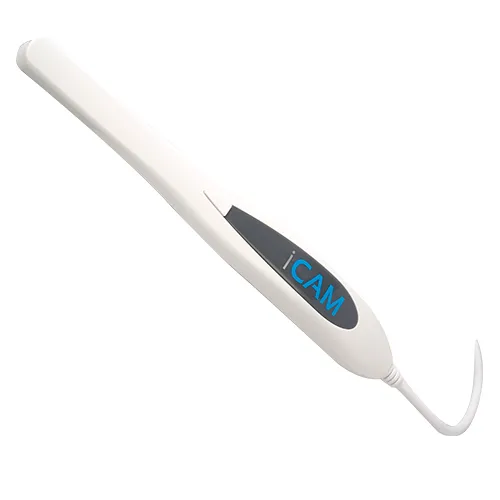
A featherweight fixed-focus intraoral camera — under an ounce, six white LEDs, and a slim 9/16-inch head that's easy on patients and easy to maneuver.
View details
One handheld source covers multiple operatories, sedation cases, and mobile clinics.
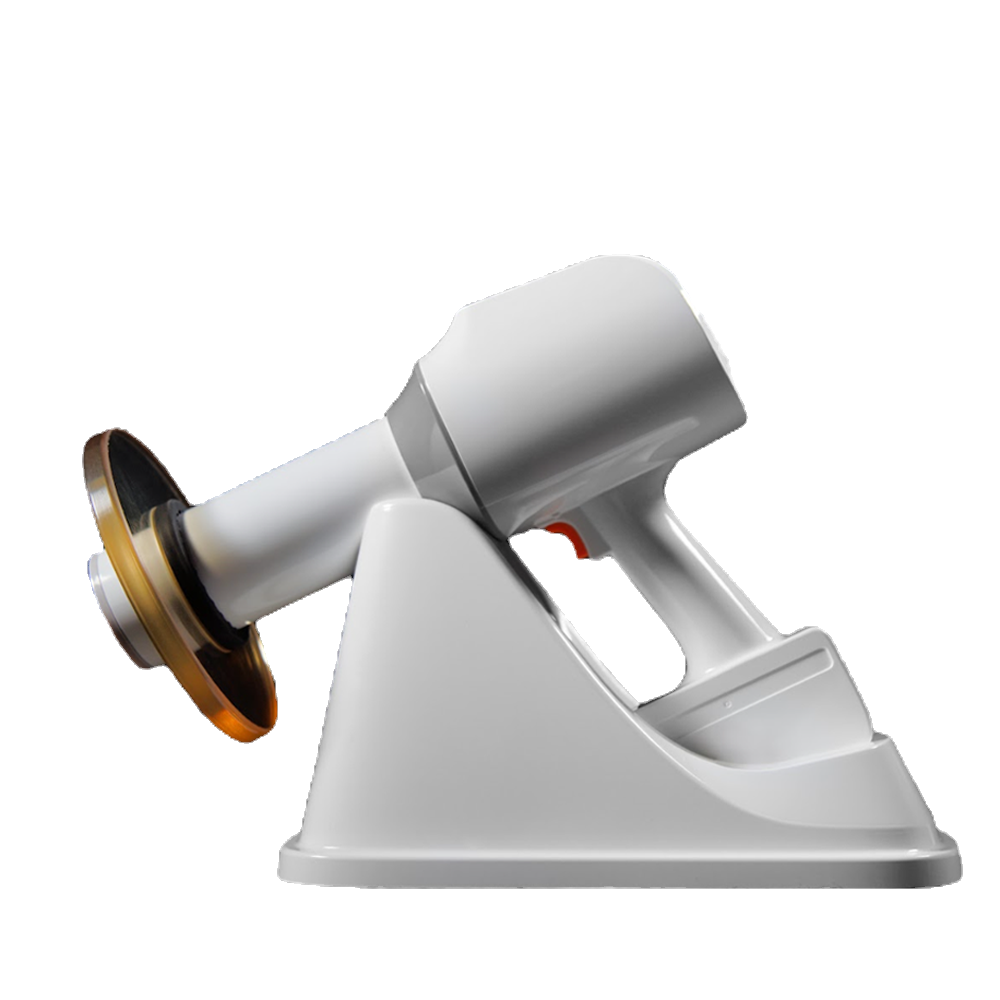
An ultra-light handheld X-ray source (0.4mm focal spot) with fast charging and an included charging base — expert-level imaging anywhere.
View details
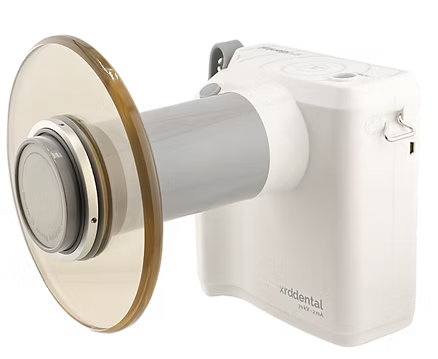
An ultra-portable handheld X-ray at just over 3 lbs, backed by a five-year warranty — quick positioning, consistent images, all-day battery.
View details
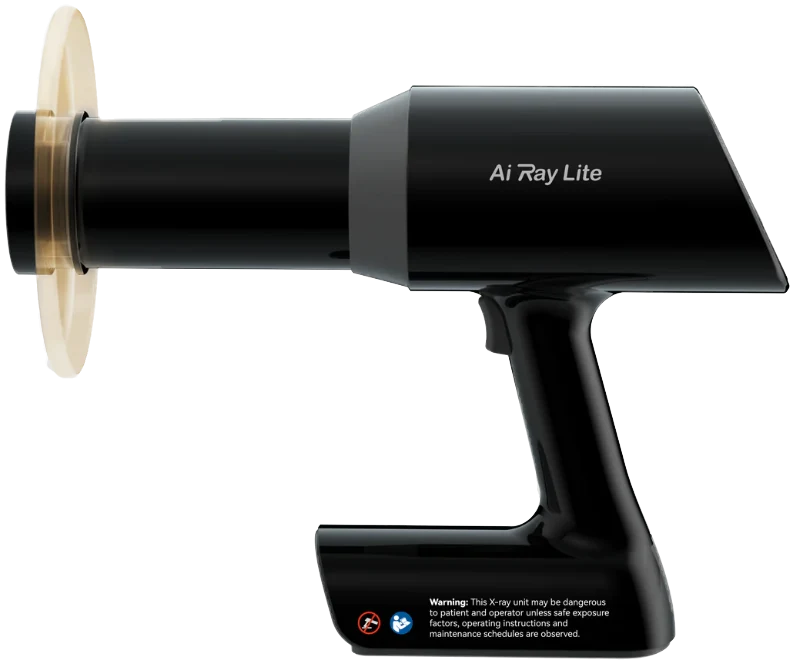
A 5.3 lb handheld X-ray built around a Canon 70 kV tube, with a 7,500 mAh battery good for roughly 700 exposures per charge — FDA 510(k) cleared.
View details
Manufacturer-published specifications only — a dash means the manufacturer doesn't publish that figure, and we'll pull it for you on request.
Answers come from the manufacturer-published specs above. For anything they don't publish, call 800-672-5733.
Direct conversion vs. scintillator, wired vs. wireless, and cost.
What matters most when budget and case mix are tight.
Which size actually fits your patients and your workflow.
Compare battery life, weight, safety, and mobile-clinic fit.
Intraoral imaging refers to capturing detailed images inside a patient’s mouth using intraoral cameras, sensors, or X-ray systems. These images help dentists diagnose cavities, gum disease, infections, and other oral health issues
Intraoral cameras provide real-time color images that patients and dentists can view on a screen, while intraoral sensors capture high-resolution X-ray images for clinical diagnosis.
Intraoral cameras improve patient communication and case acceptance. Patients can see exactly what the dentist sees, which builds trust and makes treatment recommendations easier to understand.
Digital sensors deliver instant images, improve diagnostic accuracy, and streamline record-keeping. They also eliminate the need for chemical film processing.
The cost varies depending on the type of equipment. Intraoral cameras often range from $1,000 to $5,000, while intraoral sensors can range from $5,000 to $10,000. Bundled packages can help practices save.
Yes. Showing patients their conditions visually increases understanding, builds trust, and helps patients feel confident in moving forward with treatment plans.
Yes. Modern digital intraoral sensors use significantly less radiation than traditional film X-rays, making them safe for patients while providing high-quality diagnostic images.
Most intraoral imaging systems integrate with practice management and imaging software, allowing dentists to store, retrieve, and share images easily. Dental TI supports seamless integration.
Routine calibration, software updates, and proper sterilization of camera handpieces or sensor covers keep systems working effectively and extend equipment lifespan.
Consider factors like image quality, ease of use, software compatibility, patient comfort, warranty, and support. Working with an expert distributor ensures that you choose equipment that aligns with your practice’s goals.
Tell us your imaging software and operatory count — we'll recommend the reliable option, not the expensive one.